Technical specification
Ion Chromatography
For the separation of Ions, Cations, organic acids, Carbohydrates, etc.
- Professional IC Vario (940, METROHM)
- IC autosampler Plus (919, METROHM)
- Compact IC Plus (882, METROHM)
- Compact autosampler (863, METROHM)
Inductively Coupled Plasma-Optical Emission Spectrometer (ICP-OES)
For the quantification of metals at ppm level.
- iCAP PRO XP DUO (THERMOFISHER)
- Autosampler (ASX-560 TELEDYNE-CETAC TECHNOLOGIES)
Gas Chromatograph
For capillary hydrocarbon analysis with FID detector.
- GC system (8890, AGILENT) with hydrogen sensor and helium conservation module
- Autosampler (7693A, AGILENT)
Gas Chromatograph
For permanent gases analyses with TCD detector and packed column.
- 8890 GC system (AGILENT) and FPD detector for Sulfur determination
Elemental Analyser
For determination of C, H2, N2, S2 by combustion analysis, either solid or liquid form with autosampler.
- Flash 1112 series EA (THERMO FINIGAN)
Bomb Calorimetry
For determination of the heat of combustion of fuels and compounds in oxygen.
- CAL2K-ECO (Cal2K) with filling station
Bioprinter
- BioPrinter (FELIX Bioprinter)
Uv Spectrophotometer
Fluprescence Spectrophotometer
Total Organic Carbon (for liquids only)
- TOC VCPH (SHIMADZU) with autosampler
Other equipment
- Micro Balance
- Benchtop Freeze Drier
- Autoclave
- Freezer (-80°C)
- Digester
- Distillation Units (For determination of TKN and Ammonia)
- Centrifuges
- Potentiostat Galvanostat
- Furnaces (Programable from ambient to 900°C)
- Automatic Titrators (Used for potentiometric titration and Karl Fisher capabilities)
Research
Our current research involves:
- environmental engineering
- wastewater processing engineering for rural and off-grid communities
- microbial fuel cells (MFCs)
- biofilm systems for biosensing
- ultra-low power bio-electronics
A big part of our research portfolio is to do with system design, configuration and manufacturing scale-up for real world implementation.
Related projects
Expert team
Our strength lies in our diverse, multidisciplinary team, which includes a Principal Investigator (PI), PhD students, postdoctoral researchers, and skilled lab technicians. The environmental lab brings together researchers from a wide range of academic backgrounds, including:
- chemical engineering
- biotechnology
- microbiology
- civil engineering
- robotics
This collaborative approach allows us to address MFC research from every angle, designing innovative bioelectrochemical systems, optimizing microbial communities, engineering efficient materials and reactors, and integrating automation and smart sensing technologies.
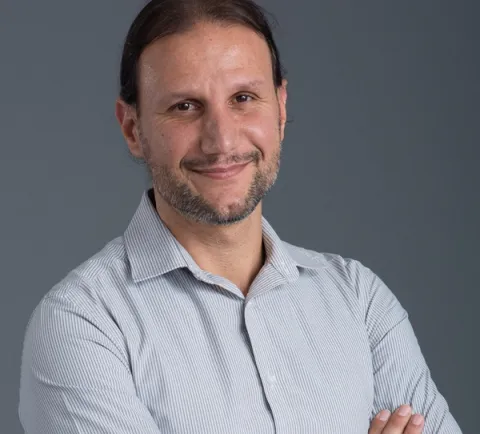
Head of Department
Research interests
-
Environmental Engineering;
-
Bioelectrochemistry;
-
Autonomous Bio-Robotics;
Connect with Yannis
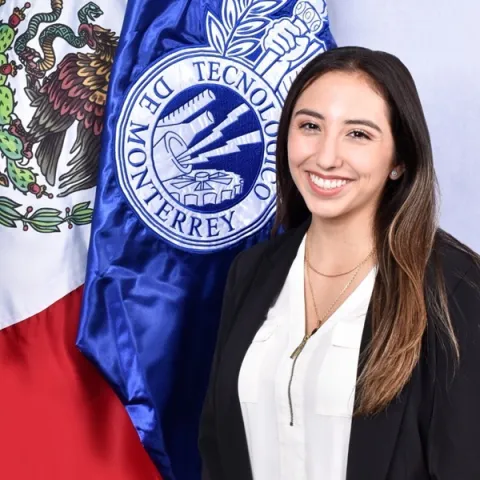
Research Fellow (Microbial Hydroponics)
Connect with Dibyojyoty