-

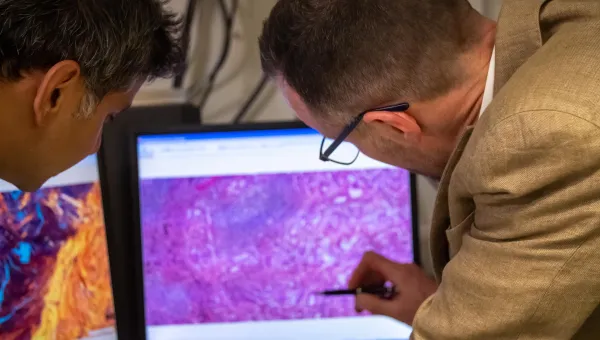
Can we move beyond standardised treatment to more personalised care?
Professor of Gastrointestinal Surgery, Tim Underwood, is working to transform how cancer care is delivered. Rather than accepting that the same treatment should be applied to everyone, his research asks a simple but powerful question: what is the right treatment for the person in front of me?
-
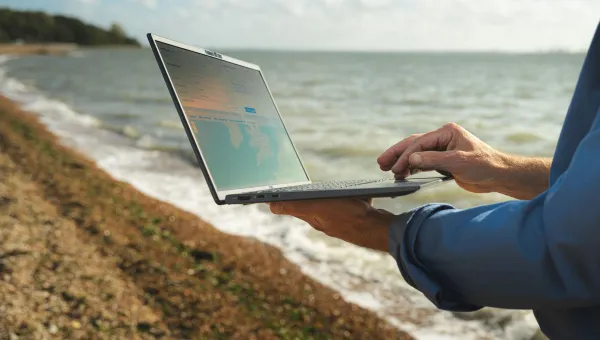
As storms reshape our coastline, how can data help us prepare?
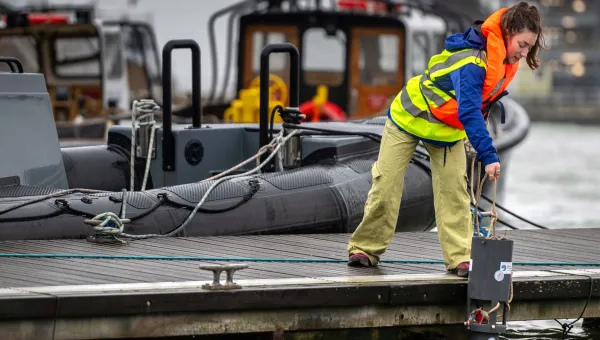
As the UK prepares for another winter of storms, computer scientist and geospatial data researcher Professor Jason Sadler is helping turn decades of coastal monitoring into evidence people can act on.
-
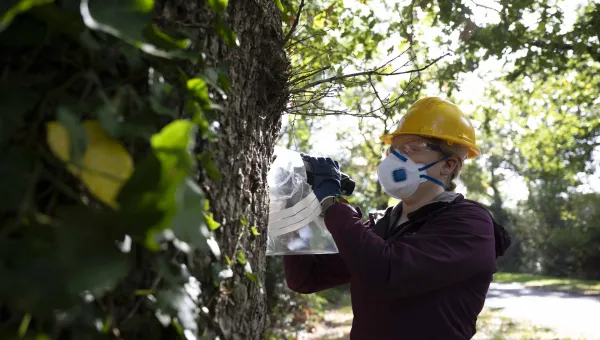
Tree bark as a sample matrix for transforming air pollution science
Air Pollution Chemist Dr Nat Easton has developed a biomonitoring approach capable of mapping pollution across entire urban regions. By analysing the chemistry locked within bark samples, she can reveal patterns of pollution exposure that conventional monitoring networks can miss.
-
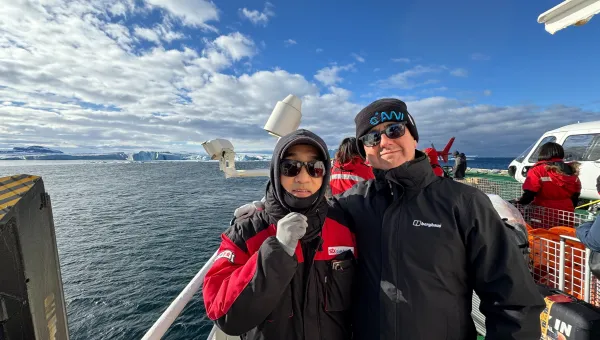
What Antarctic sea ice loss means for the ocean’s structure and climate
Antarctic sea ice held steady for 4 decades, but then fell by nearly 20% within months. Southampton oceanographer Professor Alberto Naveira Garabato and colleagues linked the decline to a saltier Southern Ocean surface and are now helping to establish what it means for our climate.
-
Hidden defects in centrosomes could be the key to unlocking new breast cancer treatments
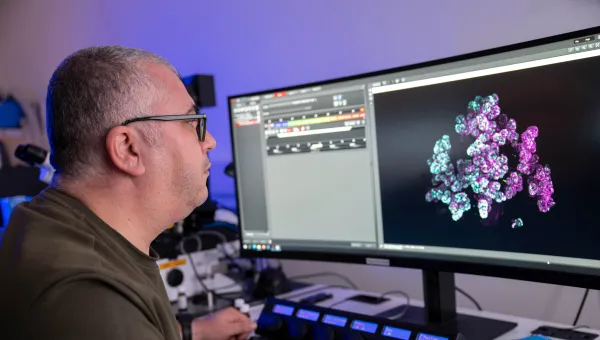
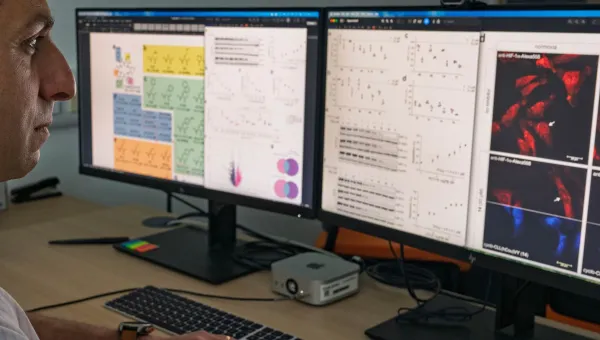
Biologist Dr Salah Elias has explored a longstanding question: do different centrosome defects have distinct links to cancer? His team developed CenSegNet, an open-source AI platform, and used it to map over 330,000 centrosomes in breast tumours from 127 patients, identifying distinct disease associations that could inform future research into prognosis and targeted therapies.
-
Building the evidence for healthy ageing across sub-Saharan Africa
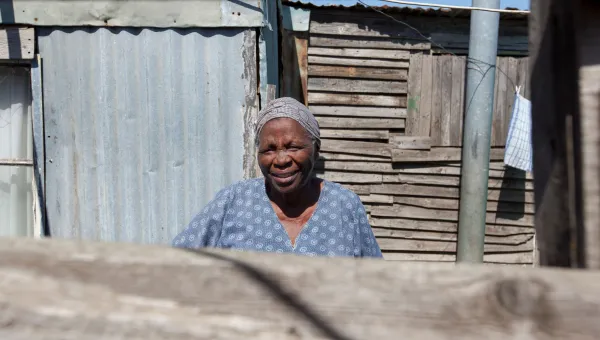
As populations age rapidly across sub-Saharan Africa, healthcare systems face growing challenges in meeting the needs of older adults. Yet research on bone health and fracture risk in African populations has historically been limited, with health priorities largely focused on maternal and child health and infectious diseases.
-
Recognising the rights of children in the climate change impacts: child climate risk index
Southampton GeoData in Geography and Environmental Science led a UK-wide team working with UNICEF to develop the Children’s Climate Risk Index (CCRI).
-
Uncovering the genetics of inflammatory bowel disease
University of Southampton academics, Sarah Ennis and James Ashton are leading a landmark study exploring how genetics contribute to inflammatory bowel disease (IBD).
-
Could a tampon transform early detection of ovarian cancer?
-
The place to fast-track medicines that change lives
Southampton spin-out company Curve Therapeutics has pioneered a faster, smarter way to discover new therapies for complex diseases such as cancer.
-
Transforming musculoskeletal health across the lifecourse
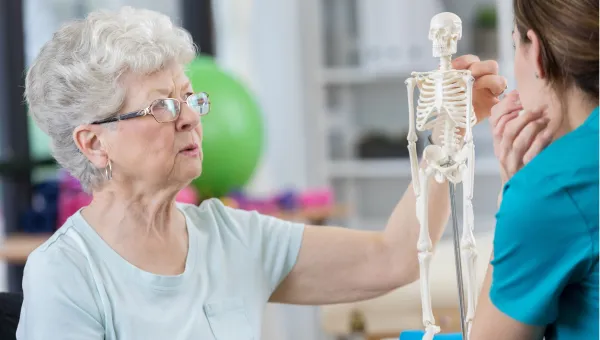
Musculoskeletal health across the lifecourse is being transformed thanks to world-leading research at Southampton.
-
Where oceanography meets engineering to protect the oceans
Changing the way we measure ocean acidification.