About the project
Bringing together philosophy, psychology and health justice, this PhD rethinks resilience after sudden child death. Through philosophical enquiry and qualitative case studies, it explores how functioning and endurance contribute to resilience, how resilience may be produced across a social world, and how others’ judgements shape sustained support for bereaved parents.
Drawing on psychology, philosophy and health justice, this PhD will challenge understandings of resilience amid suffering with no endpoint.
When a child dies suddenly, parents’ assumptions about their lives, identities and futures are profoundly disrupted. Yet most bereaved parents eventually regain some form of everyday functioning. This capacity to adapt despite profound adversity is commonly understood as resilience.
This PhD will explore not only how parents continue their everyday lives, but the often-invisible effort and toll of enduring time and a future profoundly changed by loss. It will examine what resilience is, where is resides, its value judgements, how it may be produced across a social system, and how others’ assessments of resilience shape attention and support available to people suffering.
The candidate will combine empirical research with philosophical analysis by exploring two sudden child deaths and the social systems surrounding them through in-depth qualitative case studies, develop valuable skills in interviewing vulnerable people, combine documentary research, including media responses and public remembrance to build our understanding of public attention to profound suffering, and explore conceptual foundations of resilience.
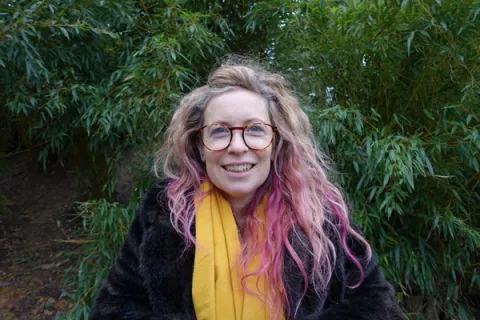
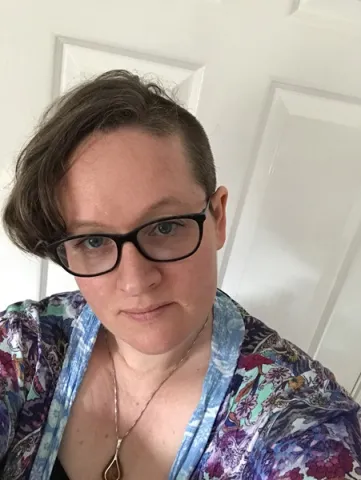
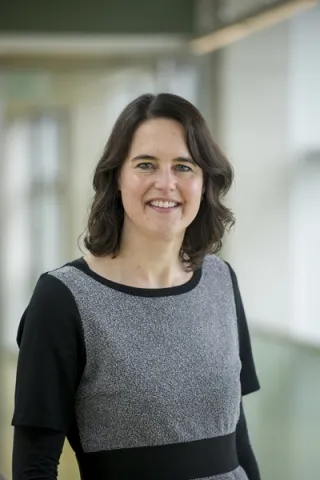
You will join the Centre for Sudden Death, supervised jointly by Dr Katherine Hunt, Prof Anne-Sophie Darlington, Professor Fiona Woollard. You will contribute to a substantial research programme developed with bereaved parents, work with the Centre’s charity and national partnership networks and connect with researchers across health, psychology, arts and humanities to develop independent research that could shape how we respond when the unimaginable happens.
Additional training or support
You will receive specialist training in sensitive interviewing with vulnerable, grieving people, ongoing consent, responding to distress, maintaining boundaries, confidentiality and reflexive practice.
Our parent investigators (bereaved parents employed as researchers by the Centre who have already trained our researchers without lived experience) will contribute. We would also seek support for the candidate from our team’s clinical psychologist for debriefing, wellbeing and managing the emotional demands of this research. Associated costs would be met from the Research Support and Training Grant, subject to eligibility and available budget, with additional funding sought if required.
References
Hunt KJ, Uhm S, Finlay I, Darlington AS. Supporting families after the unexpected death of a child. BMJ; 2025, doi: https://doi.org/10.1136/bmj-2024-082885.
Breen LJ, O'Connor M. The fundamental paradox in the grief literature: a critical reflection. Omega (Westport). 2007;55(3):199-218. doi: 10.2190/OM.55.3.c. PMID: 18214068.
Stake RE. Multiple case study analysis. New York: Guilford Press; 2006.