-

Incorporating AI and digital transformation into project management
With the significant growth in artificial intelligence (AI) and digital transformation, research from Southampton has shown these technologies can influence public and private sector project management.
-
Rapid diagnosis of dementia
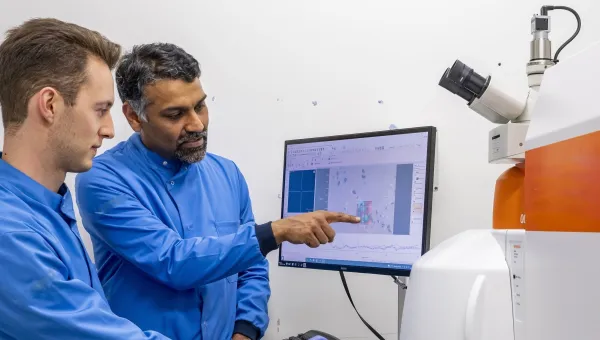
A new rapid laser-based test that could diagnose different types of dementia in just minutes has been developed by Southampton researchers.
-
Developing community-led climate and health solutions in Ghana
Working with local people to improve their understanding of the climate crisis on their health and wellbeing.
-
Finding cancer treatments using AI
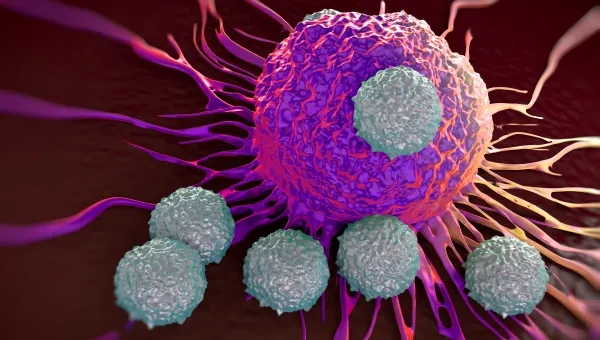
Southampton researchers are using AI to study how immune cells function in the body, aiming to improve immunotherapy treatments and patient outcomes.
-
Mapping tomorrow’s population distribution
Research group WorldPop, based at Southampton, is developing maps which can be used to predict the impact of climate change on the distribution of Earth’s population by the end of the century. The maps will provide detailed pictures of humanity by 2100, including predicted population sizes, ages and genders.
-
Harnessing AI to improve eye health
Innovative smartphone games support treatment and testing for children’s eye conditions.
-
Monitoring rail track health with smart sensors
Sensors under railway lines provide crucial data to help tackle trouble spots, saving cash and carbon.
-
Insights from Mars transforming healthcare technology
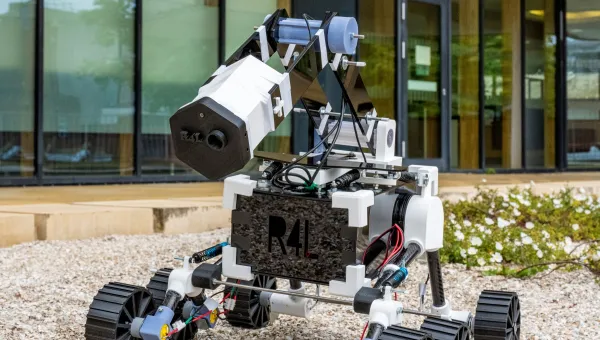
Laser and light-based techniques lie behind both the search for life on Mars and accelerated drug discovery on Earth.
-
Building greener communities with satellite technology
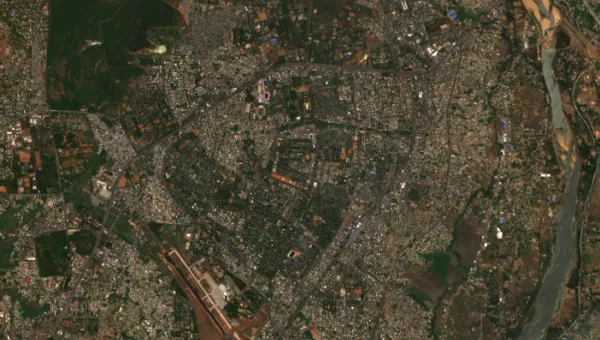
Scientists at Southampton are using satellite data to assess the carbon production of plants, monitor the Earth’s health, and help create greener, healthier global communities.
-
Serious health risks posed by nurse shortages
Understaffing is linked to an increased risk of serious illness and patient death in hospitals.
-
Increasing rainfall reveals climate change contradiction
Scientists from Southampton have found that there has been an unexpected increase in Indian monsoon rainfall that contradicts widely-held views on global warming.
-
Autonomous ships tackle the high seas and climate change
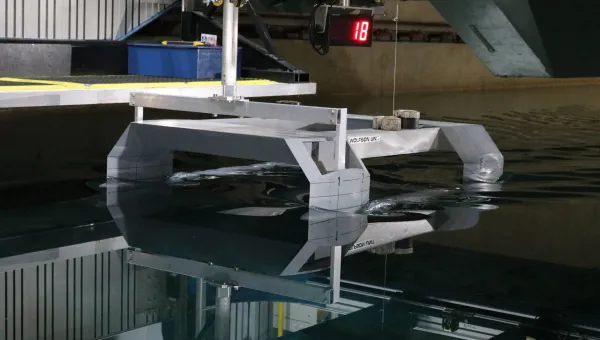
Tests prove fuel cell vessels can cut shipping’s carbon burden.