

About
With expertise in regenerative medicine, physiology, engineering, orthopaedics, prosthetics and orthotics, rehabilitation and assistive technologies, epidemiology and clinical trial design, we aim to improve lives by delivering improved treatments, increasing the speed to market of musculoskeletal-focused technology and training the next generation of scientists and engineers.
The population across the globe is living longer, which brings a number of healthcare challenges, especially in musculoskeletal health. The burden of age-related disease and injury is rising rapidly, having a detrimental impact on people’s quality of life and increasing the costs of healthcare provision. Loss of muscle mass and function is the leading reason for loss of independence in later life, and causes impaired mobility, falls, fractures, physical disability, increased insulin resistance and associated co-morbidities, and mortality. The number of hip fractures is expected to rise to 6.3 million by 2050 and the number of diabetic lower limb amputations has now risen to 7,000 per year in the UK and over 70,000 in the USA.
The University is working to meet these challenges by creating networks of experts working in interdisciplinary musculoskeletal health research to develop new technologies, interventions and practices that will have a positive effect on people’s lives:
- FortisNet is an interdisciplinary research network of clinical, academic and industrial partners that aims to develop products and services to transform musculoskeletal health. Launched in 2016, we have fostered over 50 new collaborations with other universities from across the UK, the NHS and industry. We have developed courses with national partners to help innovators understand how to bring medical technologies to market, and through investment in interdisciplinary studentships we are working to dissolve discipline boundaries, to train a new generation of life scientists and engineers for the benefit of society.
- MyAge (Muscle resilience across the life course: from cells to society) is one of eleven UK Ageing Networks, funded by the Biotechnology and Biological Sciences Research Council and Medical Research Council. Led by the Institute for Life Sciences, together with partners from Birmingham, Nottingham and Imperial, the network will guide the future of muscle resilience research through roadmap development and interdisciplinary collaboration.
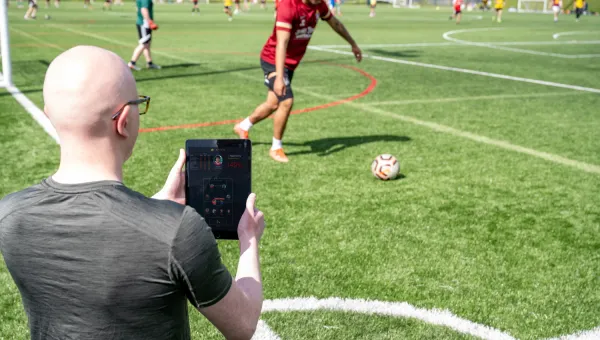
Muscle analytics for elite sports
PhD Researcher Dr Devon Lewis is developing a new type of wearable muscle sensor to accelerate injury recovery and performance training in elite sports.
-

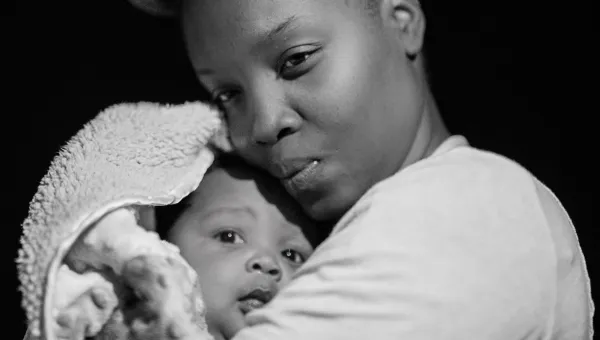
Preventing the transmission of non-communicable disease risk between generations
Research from the Developmental Origins of Health and Disease Centre demonstrates how the diet and lifestyle choices of prospective parents and pregnant mothers can affect the long-term health of their children.
-
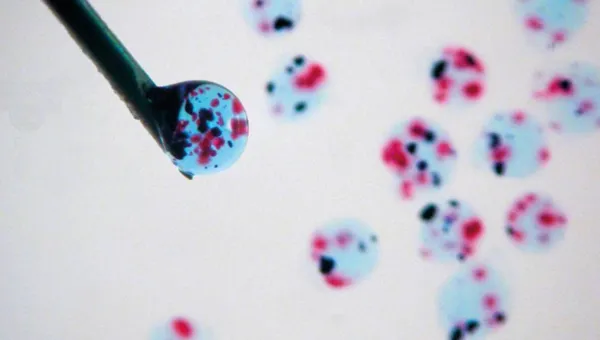
Using nanoclay gel to regrow, repair and replace damaged cells
Southampton researchers have developed an innovative medical clay that can be used to apply regenerative medicine to patients with musculoskeletal conditions.
People, projects and publications
People
-
Professor Peter Johnson
Professor of Medical OncologyEmail: johnsonp@soton.ac.ukTel: +44 2381206186Address: Southampton General Hospital, Tremona Road Shirley, Southampton, SO16 6YD -
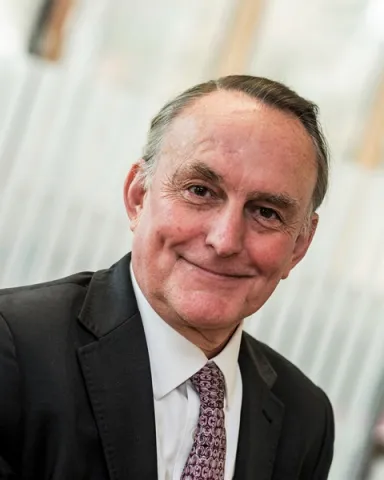
Professor Peter Smith
Professor of Life SciencesEmail: P.J.Smith@soton.ac.ukTel: +44 23 8059 6701Address: B85, East Highfield Campus, University Road, Southampton, SO17 1BJ -
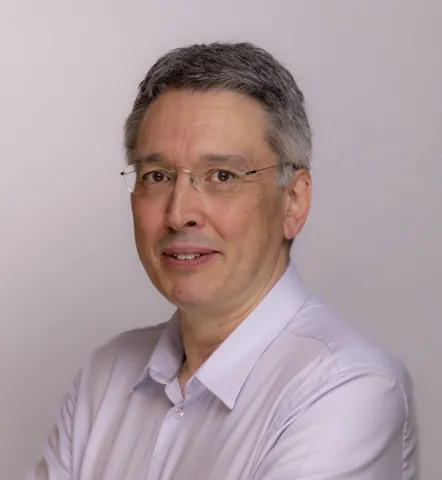
Professor Phil Williamson
Head of SchoolMolecular processes underpinning neurodegenerative disease
Accepting applications from PhD studentsEmail: P.T.Williamson@soton.ac.ukTel: +44 23 8059 4350Address: B85, East Highfield Campus, University Road, Southampton, SO17 1BJ -
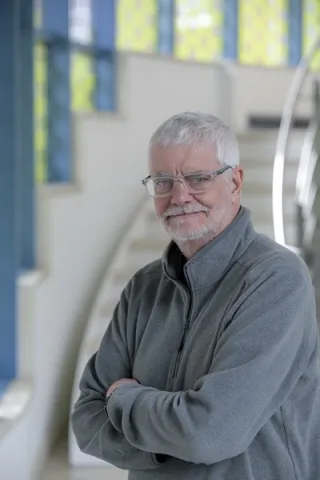
Professor Philip Bartlett
Professor of ChemistryElectrochemistry
Bioelectrochemistry
Email: P.N.Bartlett@soton.ac.ukTel: +44 23 8059 2373Address: B29, East Highfield Campus, University Road, Southampton, SO17 1BJ -
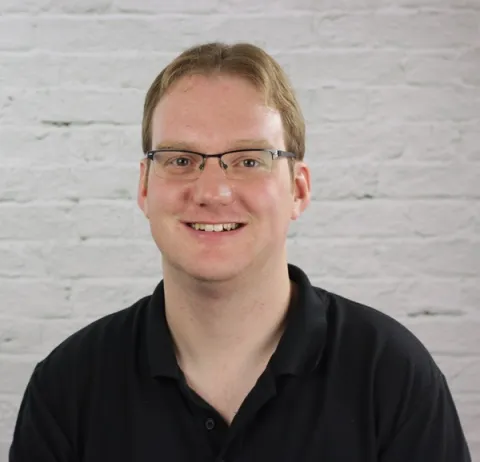
Doctor Philip Basford
Senior Research FellowSensor Networks
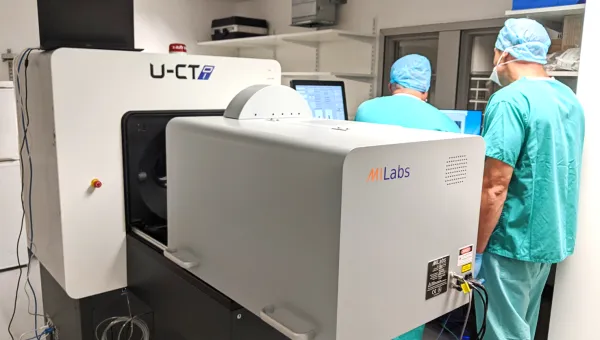
µCT scanning for Biomedical applications
Accepting applications from PhD studentsEmail: P.J.Basford@soton.ac.ukTel: +44 23 8059 5449Address: Boldrewood Campus, Burgess Road, Southampton, SO16 7QF -
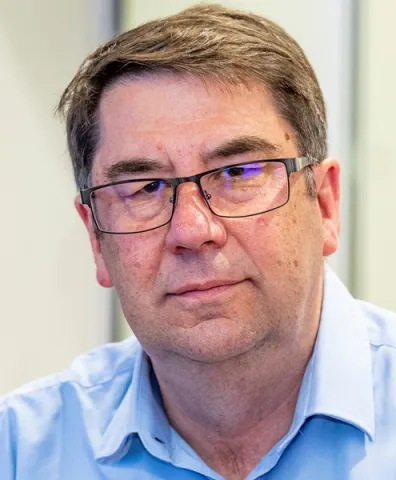
Professor Philip Calder
Professor of Nutritional ImmunologyAccepting applications from PhD studentsEmail: P.C.Calder@soton.ac.ukTel: +44 2381205250Address: Southampton General Hospital, Tremona Road Shirley, Southampton, SO16 6YD -
Doctor Philip Goodwin
Associate ProfessorPhilip has a number of research interests spanning climate and the carbon cycle:
Accepting applications from PhD studentsEmail: P.A.Goodwin@soton.ac.ukTel: +44 23 8059 6161Address: National Oceanography Centre, Waterfront Campus European Way, Southampton, SO14 3ZH -
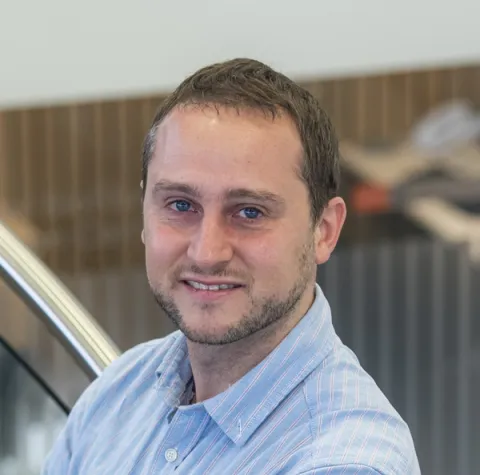
Doctor Philip Greulich
Associate ProfessorMathematical modelling of stem cell fate choices
Accepting applications from PhD studentsEmail: P.S.Greulich@soton.ac.ukTel: +44 23 8059 2438Address: B54, West Highfield Campus, University Road, Southampton, SO17 1BJ -
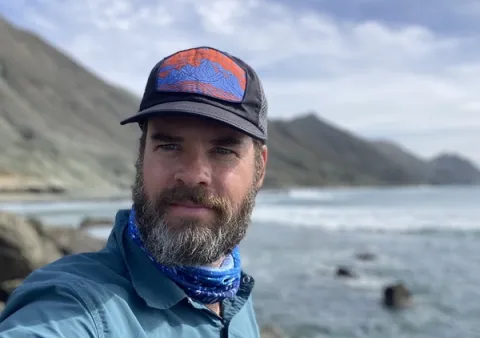
Doctor Phillip Fenberg
Associate ProfessorAccepting applications from PhD studentsEmail: P.B.Fenberg@soton.ac.ukTel: +44 23 8059 2729Address: National Oceanography Centre, Waterfront Campus European Way, Southampton, SO14 3ZH -
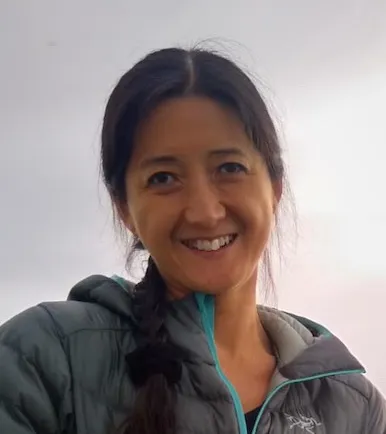
Professor Phyllis Lam
ProfessorProf.
Accepting applications from PhD studentsEmail: P.Lam@southampton.ac.ukTel: +44 23 8059 8388Address: National Oceanography Centre, Waterfront Campus European Way, Southampton, SO14 3ZH
Related research institutes, centres and groups
-
Bioengineering Science Research Group
We apply engineering principles to the fields of biology and healthcare. -
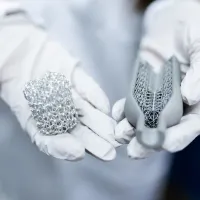
Engineering Materials and Surface Engineering Group
Our research activities are often multidisciplinary involving collaborations with other research groups, Universities and industry partners. -
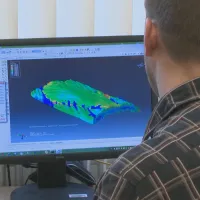
national Centre for Advanced Tribology at Southampton (nCATS)
We specialise in tribology which is the science of friction, wear and lubrication of surfaces that come in to contact in motion. -
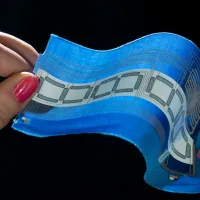
Smart Electronic Materials and Systems
Our interests range from nano-scale biological sensors to complete sensor systems. -
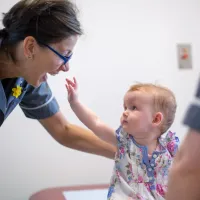
NIHR Southampton Biomedical Research Centre
The NIHR Southampton Biomedical Research Centre takes new discoveries, treatments and technologies into the clinic, using unique tools, facilities and world-changing expertise. -
MRC Lifecourse Epidemiology Centre
We study the determinants of musculoskeletal and metabolic disease throughout the lifecourse.