Project overview
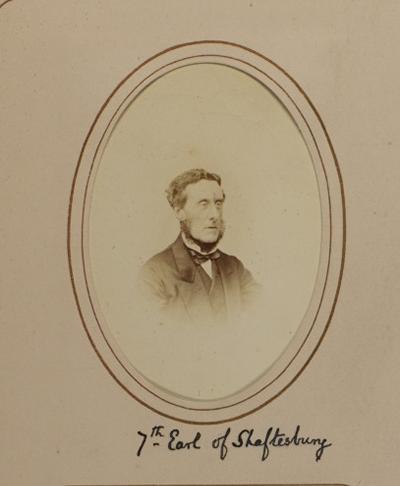
Anthony Ashley-Cooper, the seventh Earl of Shaftesbury (1801-85), spoke of ‘philanthropy’ as ‘the dreadful word’ in recognition of the growing suspicion and criticism he perceived surrounding the philanthropist.
The philanthropist’s role in the development of modern society, however, is vital, whether that has been as a complement to, or replacement for, state activity in diverse fields of reform and social welfare.
This project, funded by a Leverhulme Major Research Fellowship, 2019-22, explores that role by bringing to light the innermost thoughts and reflections of one of nineteenth century Britain’s most prominent philanthropists and social reformers.
Shaftesbury, the so-called ‘Poor Man’s Earl’, enjoyed a long career, both within and beyond parliament, labouring to ameliorate working and living conditions (especially for children), improve education opportunities, mental health provision, and a host of wider social reforms.
Such is Shaftesbury’s prominence that he is frequently taken to be a ‘pioneer’ of Victorian philanthropy, ushering in a ‘golden age’ of voluntary action.
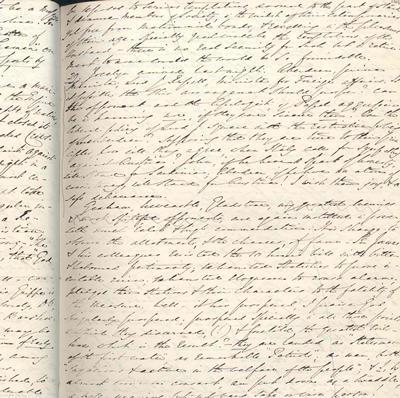
We are fortunate that Shaftesbury kept an unusually full (and candid) diary for much of his life – starting in the 1820s but mainly covering the period from the 1830s through to his death in the mid-1880s – in which he recounts not only his actions, but his thoughts and motivations, not least the importance of his evangelical faith.
I am in the process of preparing a major four-volume edition of the diaries for the British Academy Records in Social and Economic History Records series which will also underpin wider research into the politics of philanthropy, the relationship between the state and voluntary action, and how philanthropy has been driven by political ideologies and religious impulses.