
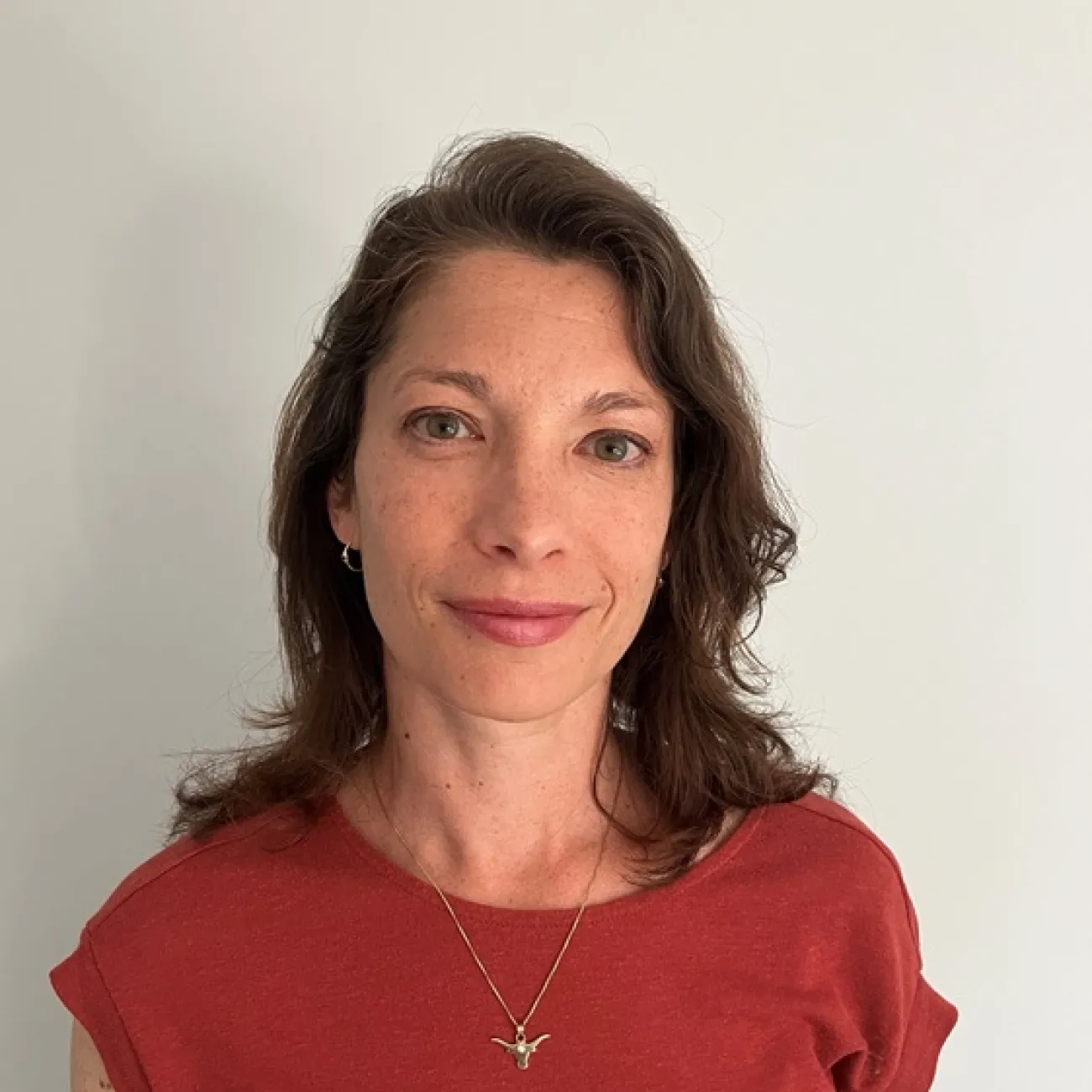
About
I am a health geographer and work across the disciplines of geography and public health, with links to local government and the voluntary sector. My substantive interests are in food, diet and related health outcomes or behaviours. In particular, I lead research on household food insecurity/food poverty in the UK and food aid interventions, currently UKRI-funded FAIR-food. I am also part of the Southampton Food Partnership, working with colleagues across the city to create a more equitable food system. I am also a member of the Hampshire Food Alliance and the Isle of Wight Food Partnership, collaborating to improve the local food systems. I am a trustee of Citizens Advice New Forest.
I am thematic cluster lead for the South Coast Doctoral Training Partnership's Health & Wellbing research cluster, supporting doctoral students to devleop their research skills and networks.
I served as deputy director of the National Centre for Research Methods from 2023-2025 and now oversee the NCRM Resource Repository.
Research
Research groups
- Population, Health and Wellbeing (PHeW)
- National Centre for Research Methods
- Institute for Life Sciences
- Interdisciplinary Musculoskeletal Health
- Centre for Democratic Futures
- Southampton Geospatial
- National Institute for Health and Care Research (NIHR) Applied Research Collaboration Wessex
- Coastal Communities
Research interests
- Social and spatial health inequalities; food insecurity/food poverty; co-development of toolkits; public policy; area-based risk measures
Current research
Household food insecurity: This theme is consistent across several projects, from using secondary data to estimate household risk of food insecurity to exploring the interventions that have positive impacts for diet, mental health and food security such as the DIET study. We have built on the DIET work to expand research across Southampton, New Forest and the Isle of Wight in the UKRI-funded FAIR-food study.
Area-based risk measures: An additional area of research is food poverty risk and the provision of emergency food through food banks. Working with colleagues including Dr Claire Thompson (University of Hertfordshire), I developed a small-area risk index of food poverty in England. We extended this work through further collaboration with external groups and this forms part of the research with Prof Nisreen Alwan, funded by NIHR ARC Wessex which included the creation of refined area-based food and child poverty measures (Wessex FRIEND). These data are freely availble from OHID Fingertips and as data or downloadable maps from My Local Map.
Co-development of toolkits: As part of an ESRC Impact Acceleration Account award, I developed a website to facilitate mapping and sharing of spatial data for local government and third sector/civil society. This culminated in the launch of mylocalmap, devised in collaboration with Southampton City Council and Sustain, where the food poverty risk measures are published. A recent project in this theme using citizen science approaches is CITISCAPE, which enables direct feedback between young adults and the city council regarding their local built environment. A recent project developed a new toolkit to support local government decision-making is Wessex DIET, which I led with Prof Nisreen Alwan, funded by NIHR ARC Wessex.
Social and spatial health inequalities: My masters, doctoral and some postdoc research focused on the spatial analysis of food access and health outcomes, including the identification of ‘food deserts’: areas with poor access to healthy and affordable food. These previous studies have contributed to my primary research goal of facilitating a more widespread understanding of the measurable extent of social inequalities, with a focus on the basic needs of individuals. This aim is now reflected in much of my ongoing work using secondary data and newer methods of primary data collection, such as citizen science.
Small-area estimation for policy analysis: I use spatial microsimulation methods (Iterative Proportional Fitting) to create small-area estimates of health behaviours and outcomes, including common mental disorders, alcohol use, smoking behaviour and diet choices.